News
Pope Francis Addresses AI and Human Dignity, Experts Weigh In on Industry Impact
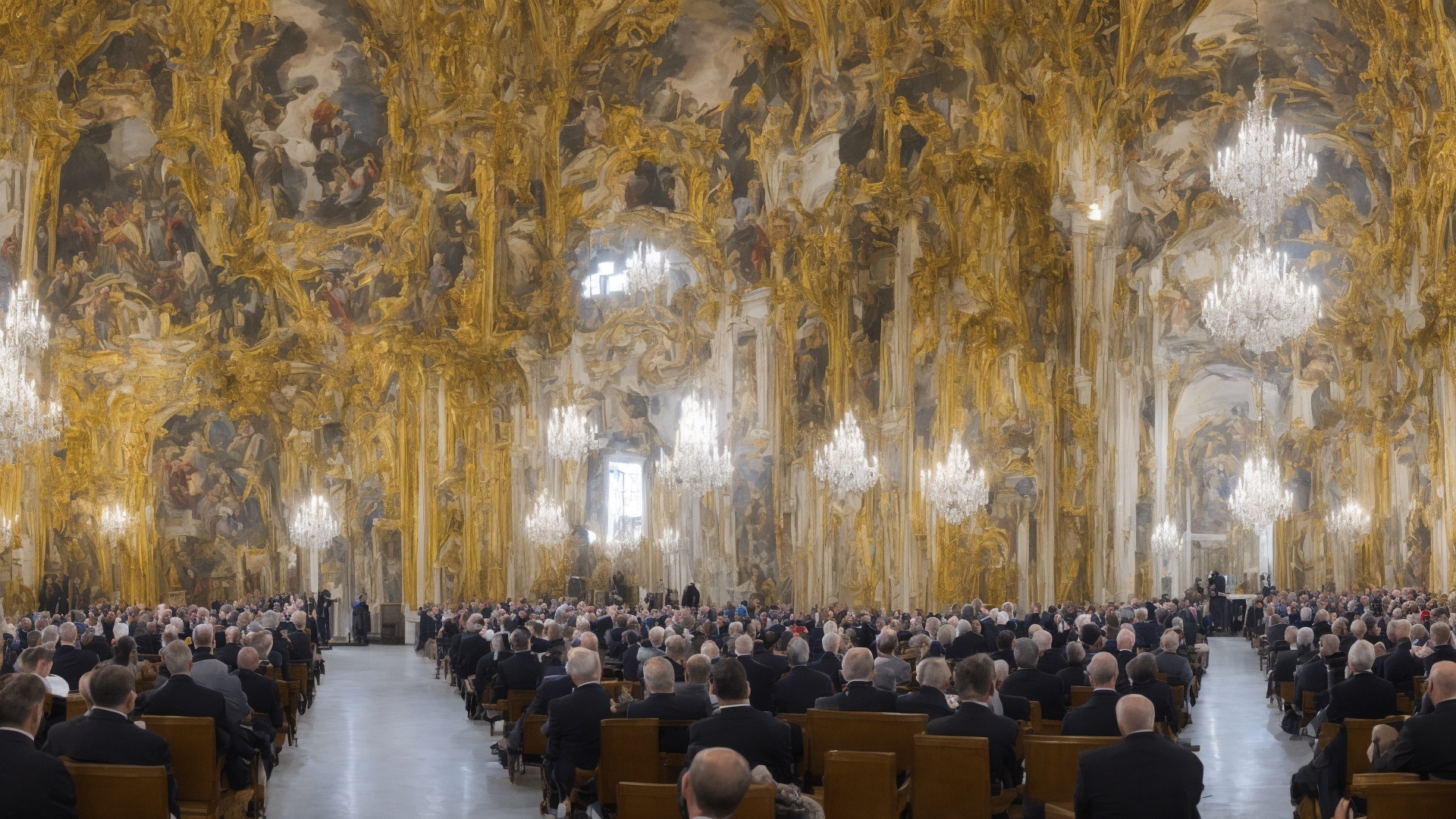
Pope Francis Addresses AI and Human Dignity, Experts Weigh In on Industry Impact
TL;DR
- Pope Francis is set to address the ethical implications of artificial intelligence, focusing on the preservation of human dignity in an increasingly automated world.
- The Vatican's engagement signals a growing global concern among leaders and the public regarding AI's societal and economic consequences.
- Discussions surrounding AI are intensifying across various sectors, with implications for employment, creativity, and ethical governance.
What happened
Pope Francis is scheduled to deliver an address on the topic of artificial intelligence and human dignity. This significant engagement from the head of the Catholic Church underscores the growing global dialogue surrounding the capabilities and ethical considerations of AI. The Pope is expected to discuss the potential impact of AI on human identity and societal structures, emphasizing the need to ensure that technological advancements serve humanity rather than diminish it. Notably, the Pope's address will reportedly feature participation from an Anthropic co-founder, indicating a direct engagement with a leading AI developer.
This initiative by the Vatican comes at a time when AI is rapidly evolving and permeating various aspects of daily life and industry. The focus on human dignity suggests a concern that the widespread adoption of AI could potentially erode fundamental human values, rights, and the intrinsic worth of individuals.
Why this matters
The Pope's intervention adds a significant moral and ethical dimension to the ongoing conversations about AI. While many discussions have centered on technological advancements, economic impacts, and regulatory frameworks, the inclusion of human dignity highlights the profound philosophical questions AI raises. For instance, the integration of AI into creative fields, as explored by some writers who have adopted AI tools, raises questions about authorship, originality, and the future of human creativity. As reported by Slate, some professional writers have found AI tools to be surprisingly beneficial, suggesting a complex interplay between human skill and AI assistance.
Furthermore, the economic implications of AI are a major point of concern. A recent report suggests a significant expectation of AI-driven layoffs among CEOs, with 99% anticipating such changes within the next two years, according to Gizmodo. This outlook points to potential widespread disruption in the labor market, affecting a broad range of professions and industries. The Vatican's focus on dignity can be seen as a call to ensure that the transition to an AI-integrated economy is managed in a way that protects workers and upholds societal well-being.
The political landscape has also seen shifts related to AI policy. The shifting stances on AI executive orders, as observed during the Trump administration, have illustrated the complex and sometimes divided approaches governments take towards regulating and harnessing AI technology, according to The Hill. This highlights the challenge of establishing consistent and effective AI governance at national and international levels.
Expert insight
The increasing involvement of prominent figures and institutions in AI discourse suggests a maturing understanding of its multifaceted impact. The Vatican's focus on human dignity, in particular, challenges AI developers and policymakers to consider the qualitative aspects of AI's influence on society, beyond mere efficiency or economic gains. Experts suggest that this ethical framework is crucial for navigating the potential pitfalls of AI, such as bias, job displacement, and the redefinition of human roles.
The integration of AI in professional fields, while offering potential productivity gains, also necessitates a re-evaluation of skills and job functions. Writers, for example, are finding that AI can augment their work, but the underlying human element of storytelling and critical thinking remains paramount. This trend is likely to extend to other industries, requiring a workforce that can collaborate effectively with AI systems.
Investment perspectives also reflect the growing significance of AI. While many AI companies are well-established, there are indications of emerging opportunities that may be less visible to the broader market, suggesting a continued dynamic investment landscape within the AI sector, as noted by The Motley Fool. These diverse perspectives—from religious and ethical to practical and financial—collectively paint a picture of an era where AI's influence is pervasive and requires careful, considered management.
Practical takeaways
Individuals and organizations should pay close attention to the evolving ethical guidelines and societal impacts of AI. Understanding the potential for job displacement and the need for reskilling will be critical. Furthermore, engaging with the ethical dimensions of AI, as highlighted by the Pope's address, can inform how individuals and societies approach the integration of these technologies. Staying informed about regulatory developments and the strategies of AI developers will also be important for navigating this rapidly changing landscape.
FAQ
Q1: What is Pope Francis' main concern regarding AI? A1: Pope Francis is primarily concerned with how artificial intelligence impacts human dignity and ensuring that technological advancements serve humanity's best interests.
Q2: How might AI affect jobs in the near future? A2: Many CEOs anticipate AI-driven layoffs, suggesting significant changes in the job market and a potential need for workforce adaptation and reskilling.
Q3: Are there ethical considerations beyond job losses associated with AI? A3: Yes, ethical considerations include potential biases in AI, the impact on human creativity, questions of authorship, and the broader societal effects of increasingly sophisticated AI systems.
Q4: Where can I find more information about AI's impact? A4: Resources include news outlets reporting on AI, academic research, statements from AI developers and ethicists, and discussions from international organizations and religious leaders.
Anna Rowe Xalura News