News
Enhanced Border Security: The 'Smart Wall' and Its Technological Advancements
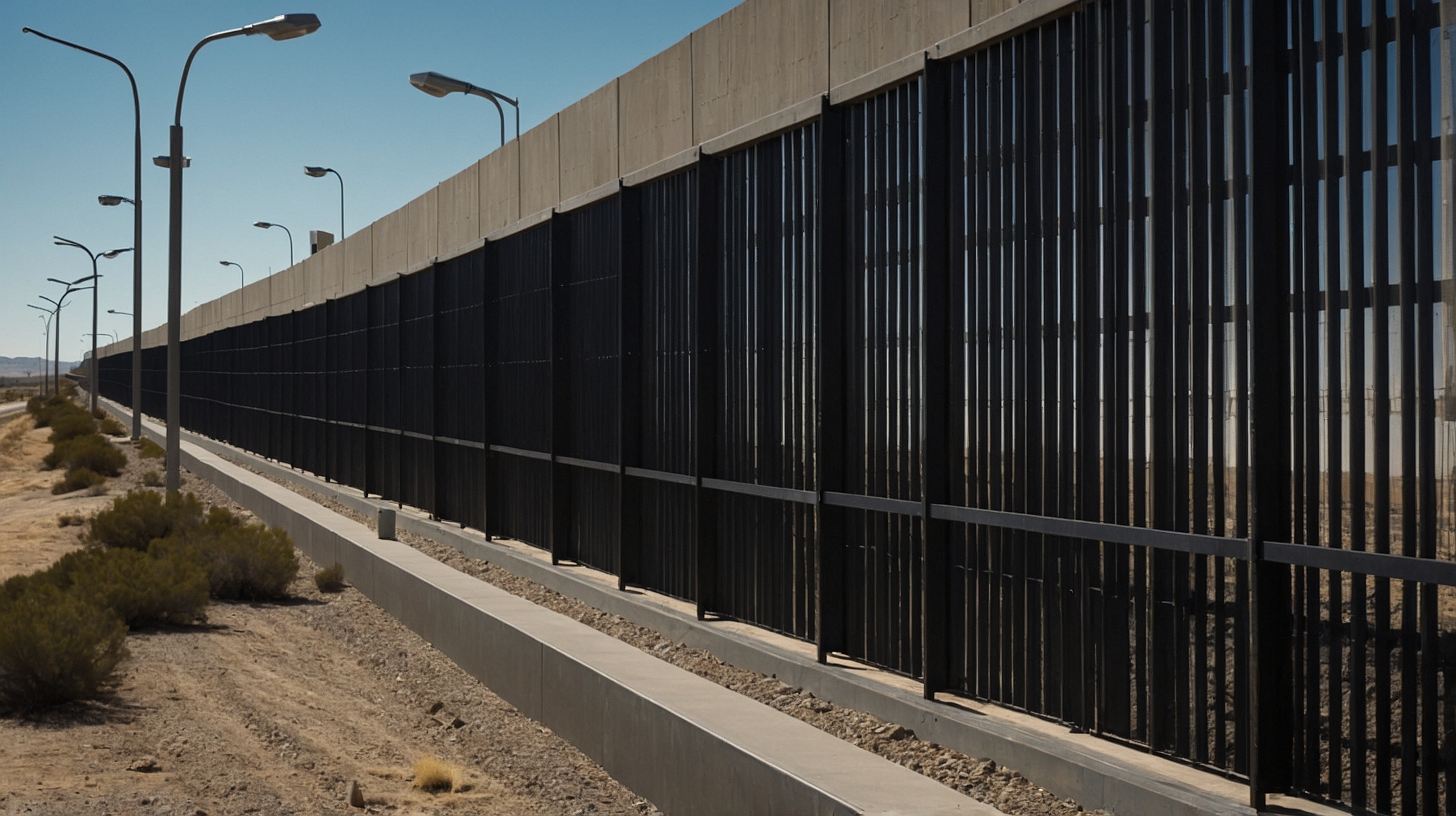
Enhanced Border Security: The 'Smart Wall' and Its Technological Advancements
TL;DR
- The U.S. is constructing a "smart wall" along its border, integrating reinforced physical barriers with advanced detection technologies.
- This initiative aims to improve surveillance, interdiction, and response capabilities, reflecting a broader trend of technological integration in security.
- The deployment of such systems raises questions about effectiveness, cost, and potential impacts on border communities and migration patterns.
What happened
The United States is actively developing and implementing a "smart wall" system along its southern border. This initiative goes beyond traditional physical barriers, incorporating sophisticated detection technologies and reinforced structures. The aim is to create a more comprehensive and responsive border security infrastructure. Reports indicate the integration of sensors, cameras, and other monitoring systems with enhanced physical walls designed to withstand breaches. This approach represents a significant evolution in border management, moving towards a more technologically driven strategy.
Why this matters
The development of a "smart wall" signifies a broader trend in governmental and security agencies adopting advanced technology to address complex challenges. This approach reflects an increasing reliance on data and digital tools for surveillance, analysis, and operational effectiveness. For border security, this translates into a potentially more efficient, albeit expensive, method of monitoring vast stretches of territory. It also highlights the ongoing debate and investment in technology as a primary solution for national security issues, influencing policy and resource allocation. The impact extends to the communities along the border, both in terms of security enhancements and potential changes in human movement and activity.
Expert insight
The integration of smart technology into border infrastructure represents a significant shift in how nations approach border control. While proponents highlight the potential for enhanced detection and faster response times, security analysts and technology experts caution that no single system is foolproof. The effectiveness of such a "smart wall" will likely depend on its specific design, the integration of various technologies, and the human element in interpreting and acting upon the data it generates. Furthermore, the continuous evolution of smuggling and migration tactics means that these technological systems will require ongoing updates and adaptations to remain effective. The long-term cost-effectiveness and ethical considerations of widespread surveillance technologies are also subjects of ongoing discussion among experts.
Practical takeaways
Individuals and organizations involved in border-related industries, international trade, and humanitarian aid should monitor the implementation and effectiveness of these smart wall technologies. Understanding how these systems operate and their potential impact on border crossing times and procedures could be crucial. For residents in border regions, awareness of increased surveillance and security measures is advisable. Policymakers and technology developers will need to continue evaluating the balance between security needs, technological capabilities, and the human rights implications of such extensive border monitoring.
FAQ
Q1: What exactly is a "smart wall" at the border? A1: A "smart wall" refers to border infrastructure that combines reinforced physical barriers with advanced technologies like sensors, cameras, and data analysis systems for enhanced surveillance and detection.
Q2: What kind of technologies are being integrated into the smart wall? A2: The technologies can include a variety of sensors (seismic, acoustic, thermal), high-resolution cameras, radar, drones, and sophisticated software for data processing and threat identification.
Q3: What are the main goals of building a smart wall? A3: The primary goals are to improve the ability to detect illegal crossings, monitor activity along the border more effectively, and enable a quicker response from security personnel.
Q4: Are there concerns about the effectiveness or cost of the smart wall? A4: Yes, there are ongoing discussions and concerns regarding the long-term cost of implementation and maintenance, as well as debates about the overall effectiveness of such technological solutions in deterring or detecting all forms of illicit activity.