News
Aviation Technology Enhances Search and Rescue Capabilities
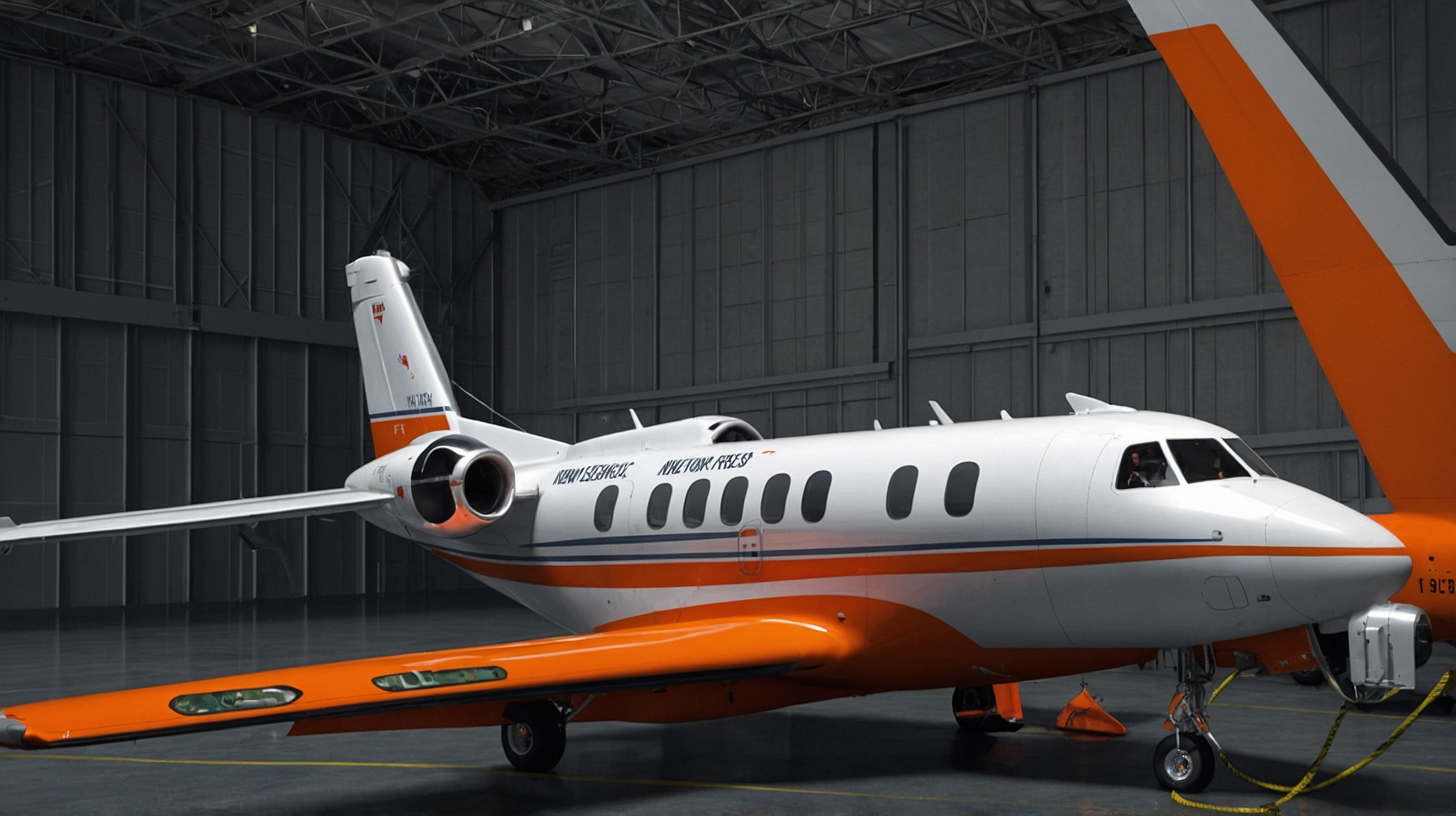
Aviation Technology Enhances Search and Rescue Capabilities
TL;DR
- Advanced aviation technology, including drones and thermal imaging, is proving crucial in modern search and rescue operations.
- These tools enable faster, more efficient searches, especially for vulnerable individuals in challenging environments.
- The integration of such technology signals a broader trend of technological adoption in public safety and emergency response.
What happened
In a recent operation in a Peoria, Arizona neighborhood, an aviation unit utilized advanced technology to assist in the search and rescue of a missing, endangered woman. While specific details of the technology were not fully elaborated in the source, the report highlights the effectiveness of the aviation unit and its technological resources in locating the individual. The use of drones and potentially other sophisticated equipment allowed for a more comprehensive and rapid search of the area, contributing to a successful outcome. This incident underscores the growing reliance on technological solutions in time-sensitive search and rescue missions, particularly when dealing with individuals who are vulnerable or at risk.
Why this matters
The successful deployment of aviation technology in this Peoria incident points to a significant advancement in search and rescue (SAR) capabilities. Traditionally, SAR operations could be labor-intensive and time-consuming, often relying on ground teams and aerial observation from manned aircraft. The incorporation of unmanned aerial vehicles (UAVs), equipped with high-resolution cameras, thermal imaging, and other sensors, allows for wider coverage, quicker deployment, and the ability to operate in conditions that might be hazardous for human responders. This increased efficiency not only improves the chances of finding missing persons but also reduces the duration of distress for those involved and their families. Furthermore, it suggests a trend towards greater technological integration across various public safety sectors, from law enforcement to emergency medical services, aiming to improve operational effectiveness and resource allocation.
Expert insight
The use of advanced aerial surveillance and sensing technology in search and rescue is a growing area of interest. Experts in emergency management and public safety consistently point to the potential of these tools to revolutionize how missing persons cases are handled. Drones, for instance, can be equipped with various payloads, including infrared cameras that can detect heat signatures, making them invaluable for finding individuals in low-light conditions or dense foliage. The ability to transmit real-time video feeds to command centers also allows for better situational awareness and strategic decision-making. As the technology becomes more accessible and sophisticated, it is likely to become a standard component of SAR toolkits across the country, potentially leading to faster resolution of cases and improved outcomes for those in peril. The cost-effectiveness and scalability of drone technology, compared to traditional aerial surveillance, further drive its adoption.
Practical takeaways
Individuals and communities should be aware of the increasing role technology plays in public safety operations. For those living in areas prone to missing persons incidents or with vulnerable populations, understanding how these technologies are deployed can offer a sense of reassurance. Emergency response agencies are likely to continue investing in and integrating such tools. For professionals in related fields, staying informed about the latest advancements in aviation technology for SAR could be beneficial for operational planning and resource management. Families of missing persons can benefit from knowing that sophisticated tools are increasingly available to aid in the search efforts, potentially leading to quicker resolutions.
FAQ
Q: What specific technologies were used in the Peoria search? A: The source indicates the use of an "aviation unit" and "technology" but does not specify the exact types of technology employed beyond what an aviation unit typically utilizes for search and rescue.
Q: How does this technology help find missing people? A: Technologies like drones with high-resolution cameras and thermal imaging can cover large areas quickly, identify heat signatures of people even in difficult terrain or low light, and provide real-time video for assessment.
Q: Is this type of technology becoming more common in search and rescue? A: Yes, the use of advanced aviation technology, including drones and sophisticated sensors, is becoming increasingly common in search and rescue operations globally due to its effectiveness and efficiency.