News
Artificial Intelligence: Defining the Future of Human-Like Machine Capabilities
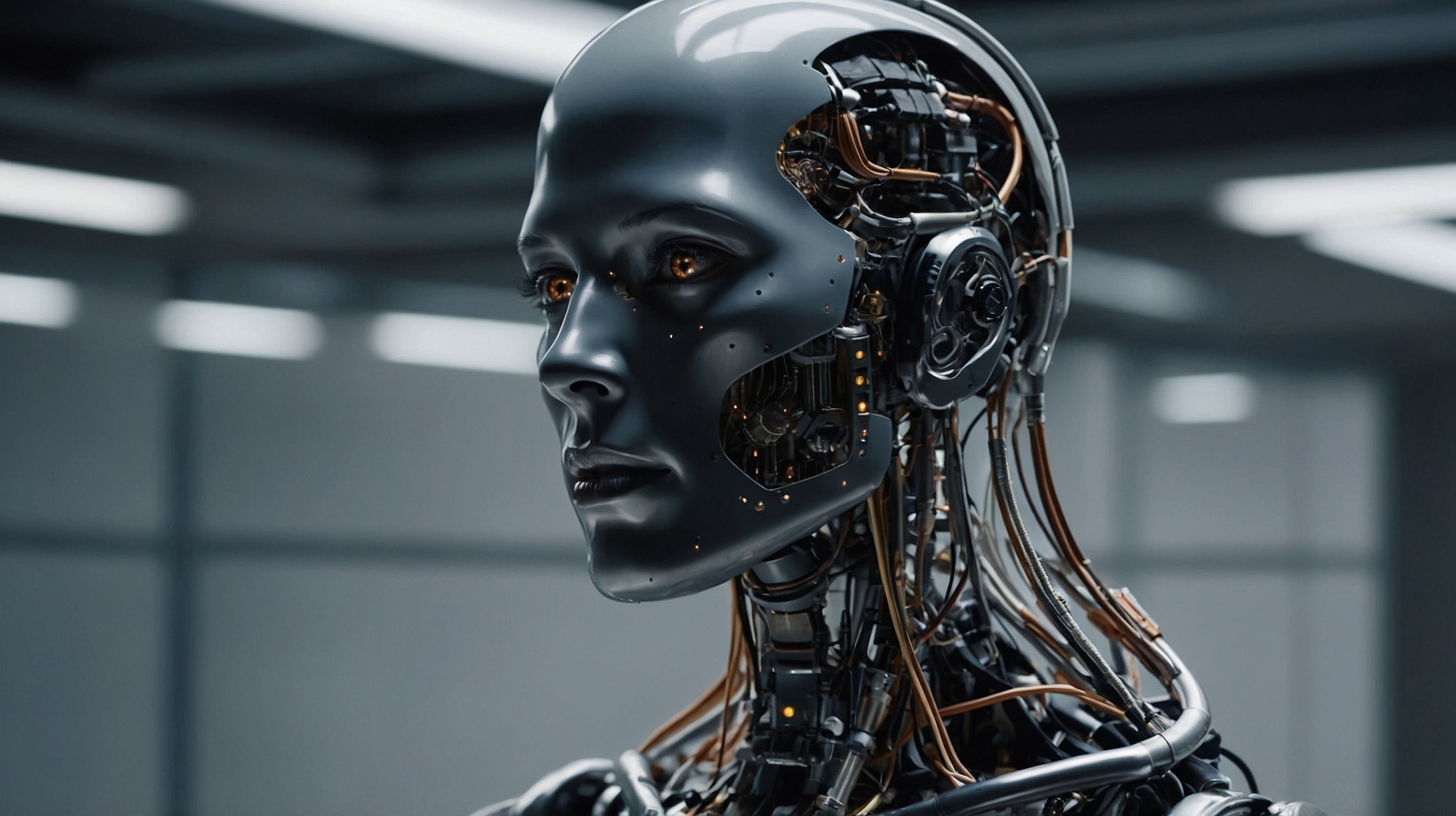
Artificial Intelligence: Defining the Future of Human-Like Machine Capabilities
TL;DR
- Artificial Intelligence (AI) refers to machines and computer systems designed to perform tasks that traditionally require human intelligence, such as learning, problem-solving, and perception.
- This field is rapidly evolving, with significant implications across industries, from healthcare and finance to transportation and entertainment.
- Understanding AI's core principles and potential applications is becoming increasingly important for individuals and businesses navigating a technologically advancing world.
What happened
Artificial Intelligence (AI) is a broad field of computer science focused on creating systems capable of performing tasks that typically demand human intelligence. This encompasses a range of capabilities, including visual perception, speech recognition, decision-making, and language translation. Essentially, AI aims to equip machines with the ability to simulate intelligent human behavior.
Sources like Wikipedia define AI as the "capability of computational systems to perform tasks typically associated with human intelligence." IBM further elaborates, describing it as "technology that enables computers and machines to simulate human learning, comprehension, and problem-solving." This imitation of human cognitive functions is at the heart of AI's development.
The field is not new, with roots stretching back decades, but recent advancements in computing power, data availability, and algorithmic sophistication have accelerated its progress. TechTarget notes that AI is a "branch of computer science that aims to create machines capable of performing tasks that typically require human intelligence." Forbes Advisor similarly highlights AI as "computer systems that can perform tasks that normally require human intelligence." Merriam-Webster concisely defines it as "the ability of a computer or a machine to imitate intelligent human behavior."
Why this matters
The ongoing development and application of artificial intelligence are poised to reshape numerous aspects of society and industry. As AI systems become more sophisticated, their capacity to automate complex tasks and generate novel insights grows, leading to increased efficiency and new possibilities.
In the business world, AI is driving innovation in areas like customer service through chatbots, personalized recommendations in e-commerce, and fraud detection in finance. Healthcare is witnessing AI's potential in diagnostics, drug discovery, and personalized treatment plans. The transportation sector is exploring AI for autonomous vehicles, while entertainment is leveraging it for content creation and personalized user experiences.
The growing integration of AI also raises important questions about ethics, job displacement, and data privacy, prompting ongoing discussions and regulatory considerations. Understanding the trajectory of AI is crucial for individuals and organizations to adapt to these changes, harness its benefits, and mitigate potential risks.
Expert insight
The rapid evolution of AI suggests a future where human-machine collaboration becomes even more seamless. Experts anticipate that AI will not merely automate existing tasks but will also augment human capabilities, enabling us to tackle problems previously considered insurmountable. This could lead to breakthroughs in scientific research, more efficient resource management, and entirely new forms of creative expression.
While the focus often remains on advanced applications, the foundational elements of AI—learning and adaptation—are steadily improving. This means that systems will become better at understanding context, predicting outcomes, and interacting in more natural ways. The ethical framework surrounding AI development and deployment will also continue to be a critical area of focus, aiming to ensure that AI serves humanity in a responsible and equitable manner.
Practical takeaways
For individuals and businesses, staying informed about AI developments is becoming a necessity rather than an option. Key takeaways include:
- Continuous Learning: Familiarize yourself with basic AI concepts and how they are being applied in your field or daily life. Online resources and courses offer accessible entry points.
- Adaptability: Consider how AI might impact your current role or industry. Identifying skills that complement AI or are resistant to automation can be beneficial.
- Critical Evaluation: Approach AI-generated information and tools with a critical eye. Understand their limitations and potential biases.
- Ethical Awareness: Be mindful of the ethical considerations surrounding AI, such as data privacy, bias, and the responsible use of AI technologies.
FAQ
Q1: What is the difference between AI and machine learning? AI is the broader concept of machines performing tasks that require human intelligence. Machine learning is a subset of AI that focuses on enabling systems to learn from data without explicit programming.
Q2: Is AI going to take all our jobs? While AI will undoubtedly automate certain tasks and roles, it is also expected to create new jobs and augment existing ones, leading to a transformation of the workforce rather than wholesale replacement.
Q3: What are some common examples of AI in everyday life? Examples include voice assistants (like Siri or Alexa), recommendation algorithms on streaming services and online stores, spam filters in email, and facial recognition for unlocking smartphones.
Anna Rowe Xalura News — Writers