News
AI in Toys Faces Growing Scrutiny Amid Child Safety Concerns
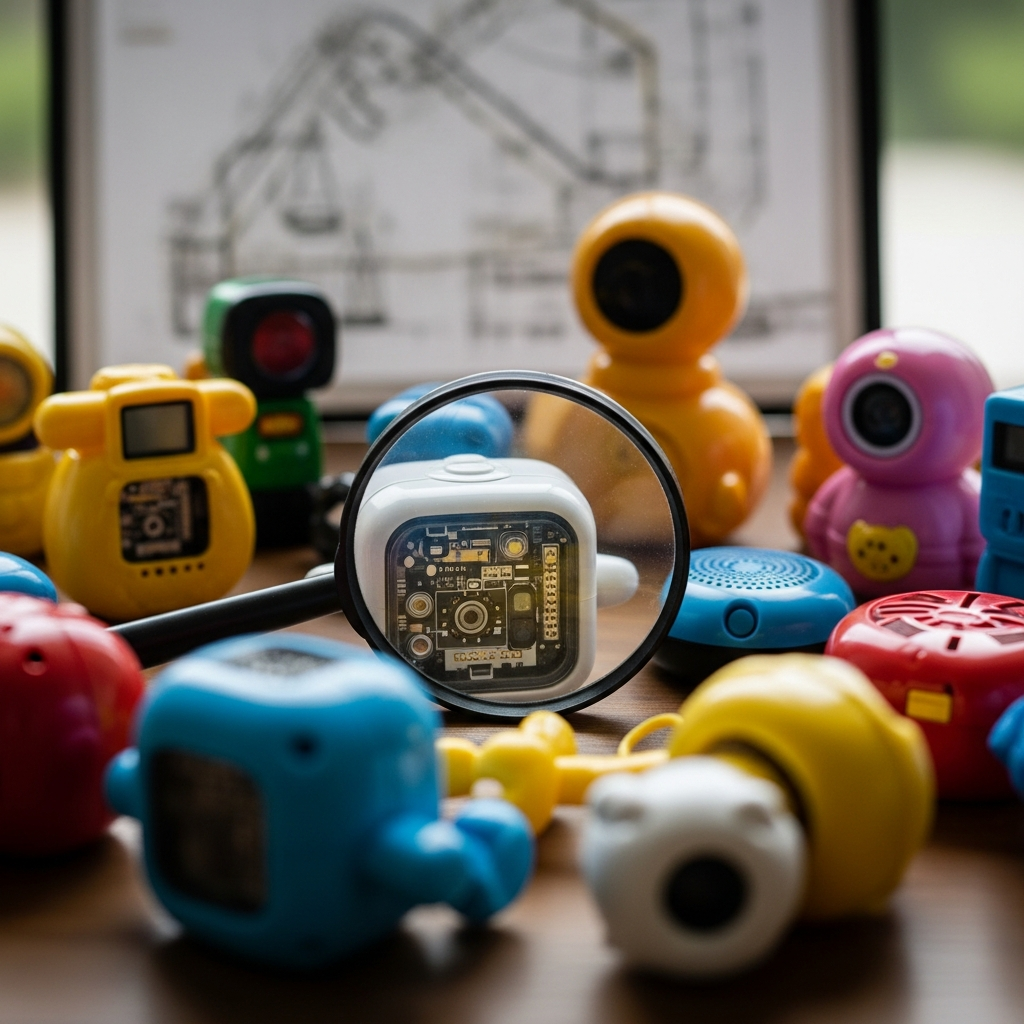
AI in Toys Faces Growing Scrutiny Amid Child Safety Concerns
TL;DR
- A Utah congressman is proposing legislation to restrict the use of artificial intelligence in children's toys, citing privacy and safety concerns.
- The move highlights a broader debate about the ethical implications of deploying AI technologies in products designed for young children.
- Parents and guardians may need to be more vigilant about the types of AI-enabled toys their children use and the data they collect.
What happened
A new legislative effort in Utah aims to curb the integration of artificial intelligence into children's toys. Representative Chris Stewart has introduced a bill that seeks to prohibit the sale of AI-powered toys that could collect sensitive data or pose potential privacy risks to young users. This initiative reflects growing apprehension among lawmakers and consumer advocates regarding the pervasive nature of AI and its deployment in products intended for minors. The congressman's proposal is a direct response to concerns that such technologies, while offering novel play experiences, may lack adequate safeguards for children's privacy and data security.
Why this matters
The introduction of AI into children's toys represents a significant shift in the play and learning landscape. These devices, ranging from interactive dolls to educational robots, can offer personalized experiences, adapt to a child's developmental stage, and even facilitate learning through conversation. However, their connectivity and data-gathering capabilities raise substantial ethical questions. Concerns include the potential for data breaches, the collection of personal information without explicit parental consent, and the long-term psychological effects of constant interaction with AI entities on developing minds. As AI becomes more sophisticated and integrated into everyday objects, the debate around its application in vulnerable populations like children is intensifying, pushing for clearer regulatory frameworks and industry accountability.
Expert insight
The push for regulation in AI-powered children's toys is likely to be a precursor to broader legislative action concerning AI ethics and child online safety. Experts suggest that as AI technology becomes more accessible, the lines between entertainment, education, and data collection will continue to blur. This trend necessitates proactive measures to ensure that innovation does not outpace responsible development and deployment. We can anticipate increased scrutiny from consumer protection agencies, privacy watchdogs, and parent advocacy groups. The industry itself may face pressure to adopt more robust self-regulatory standards, focusing on transparency, data minimization, and age-appropriate AI design. The challenge lies in balancing the potential benefits of AI in education and engagement with the paramount need to protect children.
Practical takeaways
Parents and guardians should consider the following when evaluating AI-powered toys:
- Research the product: Understand what data the toy collects, how it is used, and who it is shared with. Look for clear privacy policies.
- Review settings: Explore any available parental controls or privacy settings that can limit data collection or interaction.
- Consider age appropriateness: Ensure the toy's AI capabilities are suitable for your child's age and developmental stage.
- Stay informed: Keep abreast of legislative developments and industry best practices regarding AI in children's products.
FAQ
What types of data might AI toys collect?
AI toys can potentially collect a range of data, including voice recordings, behavioral patterns, usage habits, and even personally identifiable information, depending on their functionality.
What are the privacy risks associated with AI toys?
Risks include unauthorized access to personal data through security breaches, the sale or sharing of data with third parties, and the potential for data to be used for targeted advertising or other purposes without full understanding or consent.
Are there any existing regulations for AI toys?
While specific regulations for AI toys are still developing, general child privacy laws like COPPA (Children's Online Privacy Protection Act) in the United States may apply, requiring parental consent for data collection from children under 13.
Anna Rowe Xalura News — Writers Department