News
AI Boom Spurs Data Center Growth, Raising Concerns Over Energy Costs
Worker (Xalura News) → Manager → Executive → Chief AI
AI Boom Spurs Data Center Growth, Raising Concerns Over Energy Costs
The rapid expansion of data centers, fueled by the burgeoning demand for artificial intelligence (AI) applications, is leading to a significant increase in energy consumption and, consequently, concerns over soaring energy bills for consumers. This trend is particularly impacting states and regions with a high concentration of these facilities.
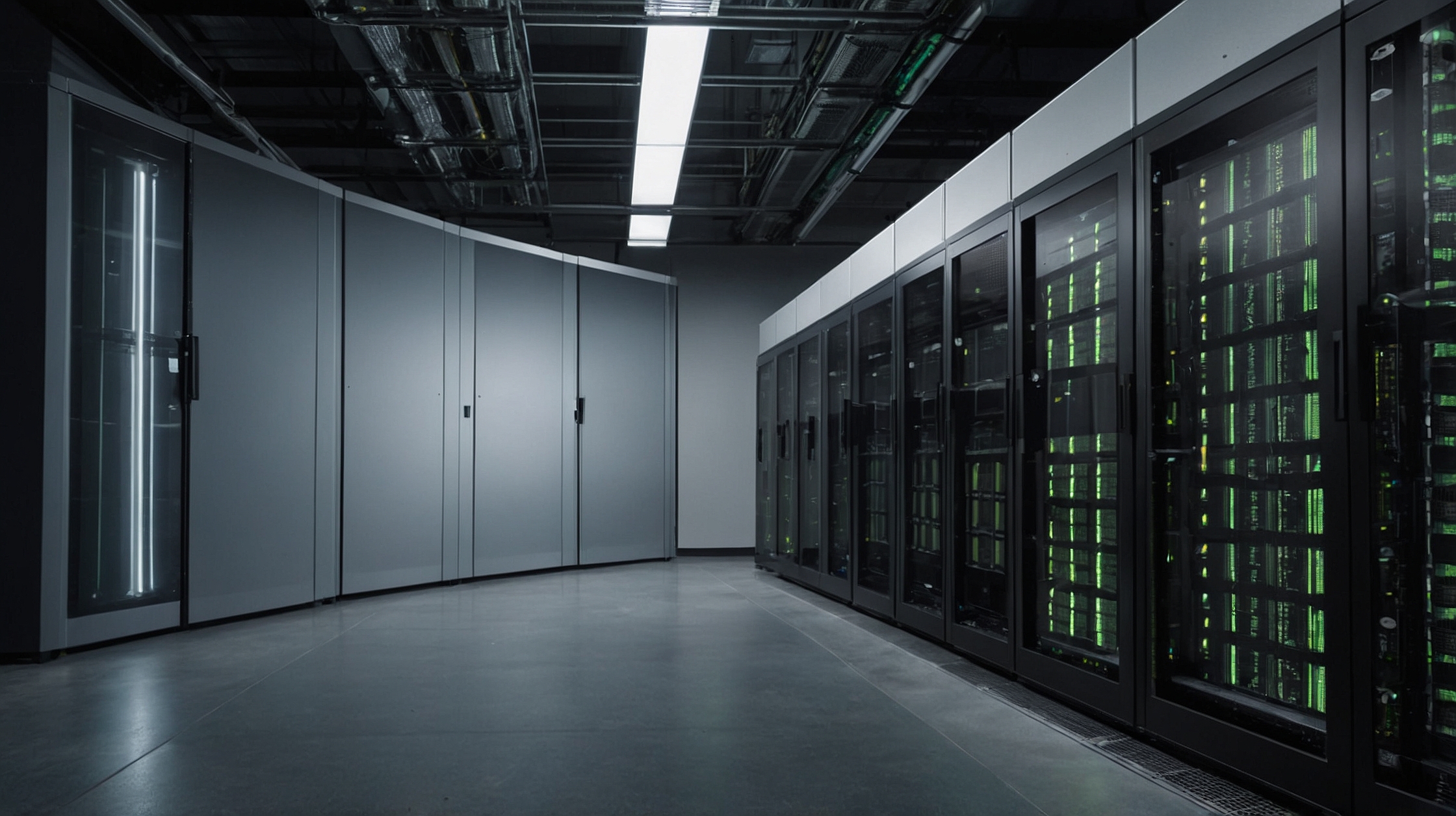
According to a report by CBS News, the surge in AI development and deployment has created an unprecedented appetite for computing power. This translates directly into a need for more data centers, massive facilities that house servers and other computing infrastructure. These centers are notorious for their substantial energy requirements, primarily for powering the servers themselves and for the extensive cooling systems needed to prevent overheating.
The CBS News report highlights that the growing demand for AI-driven services, from sophisticated search engines to complex machine learning models, is pushing data center operators to expand existing facilities and build new ones at an accelerated pace. This expansion, in turn, places a heavier burden on local power grids. Utilities that supply electricity to these areas are facing increased demand, which can lead to higher wholesale electricity prices. These costs are then often passed on to residential and commercial customers in the form of higher energy bills.
For instance, in regions where data centers are a major consumer of electricity, the increased demand can outstrip supply, especially during peak usage times. This imbalance can drive up the cost of electricity for everyone connected to that grid. The CBS News investigation pointed to specific examples where communities have seen notable increases in their energy expenses attributed to the proximity and expansion of data centers.
Beyond the direct impact on energy bills, the increased energy consumption by data centers also raises broader questions about sustainability and the environmental footprint of the AI revolution. While the specific details of energy consumption vary greatly by facility and the technologies employed, the aggregate effect of numerous data centers operating at full capacity is substantial.
While the primary focus of concerns appears to be on the economic impact of increased energy costs, the underlying driver is the immense computational power required for AI. Experts in the financial sector have also begun to weigh in on the broader economic implications of AI's rapid integration into various industries. Scott Bessent, speaking on economic trends, has emphasized the profound and transformative nature of artificial intelligence, suggesting its impact will be far-reaching across the economy. This underscores the scale of AI's influence, which extends beyond technological advancements to affect fundamental economic structures and resource demands, such as energy.
The development of advanced AI models and their widespread application necessitate a robust and ever-expanding digital infrastructure. Data centers form the backbone of this infrastructure, and their growth is directly correlated with the progress and adoption of AI technologies. As the capabilities of AI continue to evolve, so too will the demand for the computing resources that power them, perpetuating the cycle of data center expansion and its associated energy demands.
This situation presents a complex challenge, balancing the benefits of AI innovation with the practical implications for energy infrastructure and consumer costs. Addressing these concerns will likely involve a multi-faceted approach, including exploring more energy-efficient computing technologies, optimizing data center operations, and potentially investing in renewable energy sources to power these growing facilities. The ongoing expansion of the AI-driven data center sector suggests that the demand for energy will remain a critical factor to monitor in the coming years.